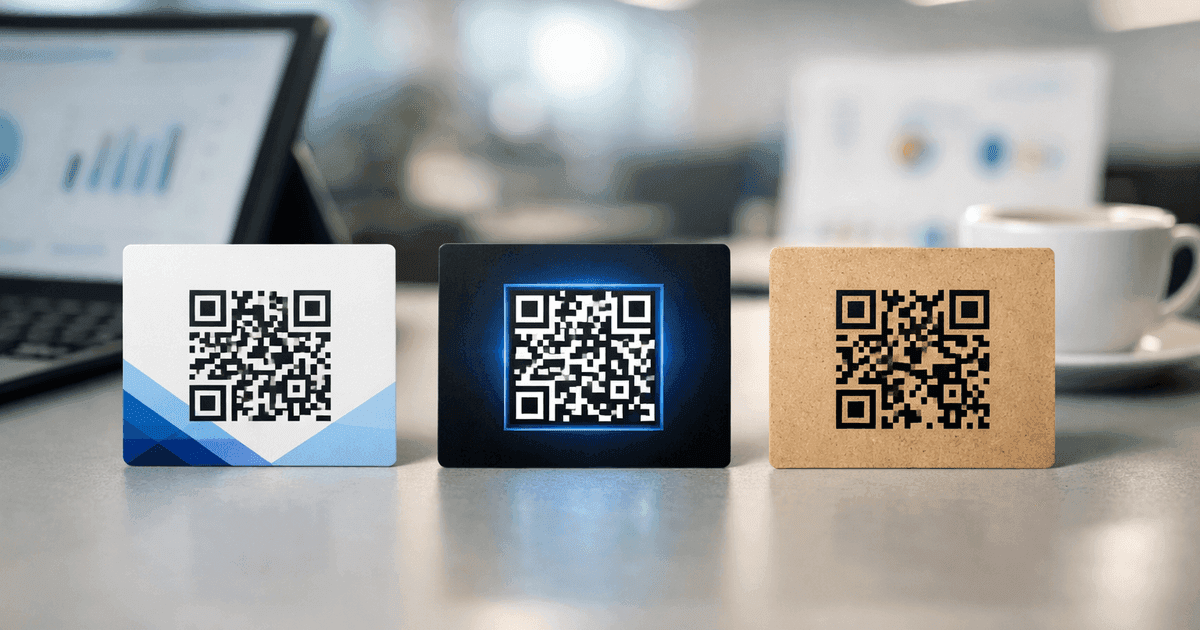

Discover 10 essential event management best practices for 2026. This guide covers planning, analytics, and QR code integration for flawless events.
In today's competitive environment, hosting a successful event requires more than just booking a venue and sending invitations. The difference between a memorable experience and a forgettable one lies in meticulous planning, strategic execution, and the intelligent use of technology. Modern event organizers, from small business owners launching a new product to marketing teams coordinating major conferences, need a comprehensive playbook that bridges traditional principles with contemporary tools. This guide delivers precisely that, outlining essential event management best practices designed to elevate your gatherings from standard to exceptional.
We will move beyond generic advice to provide a detailed, actionable checklist covering the full event lifecycle. You will learn how to master everything from initial timeline management and stakeholder communication to creating a seamless attendee journey with technology like QR codes for quick registration and information access. We will explore strategies for effective vendor coordination, robust safety protocols, and, crucially, how to measure your event's success with tangible analytics.
This article is crafted for organizers who want to create professional, engaging, and measurable experiences. Each best practice is presented as a practical step you can implement immediately, complete with real-world examples and tips. Whether you're aiming to boost brand engagement, generate leads, or foster community, these proven strategies will provide the framework you need to execute flawless events that resonate with your audience and deliver clear, demonstrable ROI. Let’s dive into the blueprint for creating truly unforgettable events.
1. Comprehensive Pre-Event Planning and Timeline Management
Every successful event is built on the foundation of a meticulously crafted plan and a realistic timeline. This foundational practice involves creating a detailed project roadmap that charts every task from the initial concept to the final post-event analysis. It’s more than a simple to-do list; it’s a strategic document that defines milestones, assigns ownership, and clarifies dependencies.
Effective timeline management is a cornerstone of event management best practices because it transforms a chaotic, reactive process into a controlled, proactive one. It ensures every team member and stakeholder understands their responsibilities and deadlines, preventing last-minute crises and costly oversights. By mapping out the entire event lifecycle, you can allocate resources more efficiently, anticipate potential bottlenecks, and make informed decisions.
Real-World Application
Major industry events demonstrate the power of long-term planning. A massive conference like SXSW, for example, often operates on an 18-month planning cycle to coordinate thousands of speakers, venues, and sponsors. Similarly, corporate event teams at tech giants like Microsoft rely on detailed Gantt charts for product launches, often starting six months in advance to align marketing, logistics, and technical teams.
Actionable Implementation Tips
To put this into practice, follow these steps:
- Utilize Project Management Software: Adopt tools like Asana, Monday.com, or Trello to create a centralized, visual timeline. This allows for real-time tracking, automated reminders, and seamless collaboration among team members.
- Identify the Critical Path: Pinpoint the essential tasks that, if delayed, will halt the entire project. These might include securing a venue, signing keynote speakers, or obtaining event permits. Prioritize and monitor these items closely.
- Integrate Technology Planning Early: If you're using technology like QR codes for ticketing or check-in, build this into your timeline from the start. Plan for QR code generation, platform integration, and on-site testing at least four to six weeks before the event to troubleshoot any issues.
- Build in a Buffer: Unforeseen delays are inevitable. Incorporate a 20-30% buffer into your timeline for key milestones. This flexibility allows your team to handle unexpected challenges without derailing the entire event schedule.
2. Multi-Channel Communication and Stakeholder Management
A successful event hinges on clear, consistent, and timely communication with every stakeholder involved. This practice involves establishing structured communication protocols across multiple channels to reach attendees, vendors, sponsors, and internal staff. It’s about creating a cohesive information ecosystem where everyone receives the right message at the right time, preventing confusion and enhancing coordination.
Effective multi-channel communication is a critical component of event management best practices as it directly impacts stakeholder confidence and attendee experience. By strategically using different platforms-from email and SMS to social media and dedicated event apps-organizers can ensure crucial information is not just sent, but received and understood. This proactive approach minimizes miscommunication, streamlines operations, and builds a sense of community around the event.
Real-World Application
Major festivals like Coachella are masters of multi-channel communication, using their mobile app for real-time schedule changes, SMS for emergency alerts, and social media for engagement and general updates. Corporate conference organizers often send a series of 4-6 pre-event emails with increasing specificity, starting with a "Save the Date" and culminating in a detailed "Know Before You Go" message. This layered approach ensures attendees are well-prepared and engaged from the moment they register.
Actionable Implementation Tips
To put this into practice, follow these steps:
- Develop a Communication Calendar: Map out every touchpoint across the event timeline, from initial announcements to post-event surveys. Assign a specific channel (email, SMS, app notification) for each type of message to maintain consistency.
- Segment Your Audience: Use your CRM or event management platform to send targeted messages. For example, sponsors receive information about booth setup, while attendees get updates on the keynote speaker schedule. This ensures everyone receives relevant information.
- Integrate QR Codes for Quick Access: Use QR codes to provide instant access to important resources. For example, a restaurant hosting a special dinner can put a QR code on the menu that links to the chef’s bio, while a business event can use one to share a digital agenda.
- Send a Final Logistics Email: Dispatch a comprehensive logistics email 48 hours before the event. This message should consolidate all critical details: venue address, parking instructions, registration times, and a link to the full schedule.
- Establish a Central Point of Contact: Designate a clear point of contact or a central communication hub (like a dedicated Slack channel for vendors) for urgent, day-of-event issues to ensure rapid problem resolution.
3. Seamless Attendee Registration and Check-In Systems
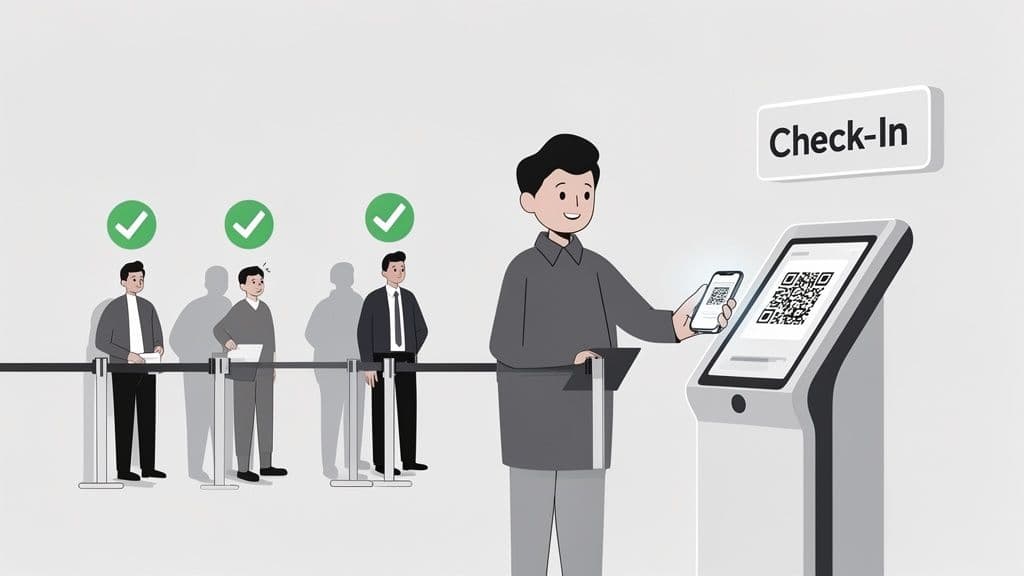
The first impression an attendee has of your event happens at registration and check-in. Implementing an efficient, frictionless process is critical for setting a positive tone, reducing bottlenecks, and capturing valuable attendee data. This practice moves beyond manual lists and clipboards, integrating digital registration platforms with modern on-site technology for a professional and smooth entry experience.
A streamlined check-in is a key component of event management best practices because it directly impacts attendee satisfaction from the very first moment. A quick, effortless entry demonstrates respect for your guests' time and showcases your event's organization and technological savvy. It also ensures accurate data capture for post-event analytics, follow-up communications, and a better understanding of attendance patterns.
Real-World Application
This practice is standard at major industry gatherings. Tech conferences like CES use QR code-based check-in to process thousands of attendees in minutes. On a smaller scale, a restaurant can use a QR code at the door for a ticketed tasting event, allowing guests to check themselves in by scanning the code on their phone, which is much faster than checking names off a list. Even private functions like weddings now use scanned QR code invitations for seamless guest management.
Actionable Implementation Tips
To put this into practice, follow these steps:
- Offer Multiple Check-In Methods: Cater to all guests by providing several options. Set up stations for scanning QR codes from a phone, a self-service kiosk for attendees to look up their own name, and a staffed desk for manual assistance or exceptions.
- Utilize QR Code Technology: Generate a unique QR code for each registered attendee and send it with their confirmation email. This is the fastest method for check-in. Using a trusted tool like QR Code Maker ensures your codes are reliable and easy for guests to scan. For large events, generate all your attendee QR codes at once with our Bulk QR Code Generator.
- Train Staff Thoroughly: Your on-site team should be experts on the check-in software and be prepared to handle common issues like name misspellings, unconfirmed registrations, or technology glitches with a calm, professional demeanor.
- Test and Prepare a Backup: Fully test all hardware and software at the venue 24 hours before the event. Always have a paper backup of the attendee list and a manual check-in process ready in case of a power outage or system failure.
4. Comprehensive Event Analytics and ROI Measurement
Moving beyond vanity metrics like headcount, this practice involves establishing a robust analytics framework to measure an event's true impact. It means defining clear, business-oriented goals from the outset and systematically tracking data across the entire attendee journey. This transforms an event from a perceived cost center into a measurable investment with clear accountability and insights.
Adopting this data-driven approach is a critical component of modern event management best practices. It allows you to prove the event's value, justify budget allocations, and make smarter decisions for future initiatives. By measuring what matters, you can directly link event activities to tangible business outcomes, whether that's lead generation, pipeline acceleration, or brand loyalty.
Real-World Application
This practice is standard across data-savvy industries. An enterprise software company, for instance, won't just count booth visitors; it will track the number of qualified demo requests and the total sales pipeline influenced by the event. Similarly, a restaurant group hosting a food festival might use a QR code that links to a special discount, allowing them to track how many attendees visit their locations later and directly attribute revenue to the event.
Actionable Implementation Tips
To put this into practice, follow these steps:
- Define Primary KPIs Early: Before a single dollar is spent, decide on 3-5 key performance indicators (KPIs) that align with business goals. These could include cost per lead, pipeline influence, attendee satisfaction score, or post-event sales conversions.
- Implement Comprehensive Tracking: Use unique URLs, UTM parameters, and trackable QR codes on all digital and physical marketing materials. This ensures you can attribute registrations and engagement to specific channels. To get started, you can learn more about how to track QR code scans and apply these principles to your event assets.
- Capture Data for Attribution: Ensure your registration process captures the essential data needed for post-event follow-up and analysis, such as email addresses, company, and role. This information is crucial for connecting event participation to later business activities.
- Deploy Surveys Swiftly: Send a post-event feedback survey within 24 hours while the experience is still fresh in attendees' minds. Ask targeted questions related to your KPIs to gather qualitative and quantitative data on their experience and intent.
5. Vendor Management and Coordination Excellence
An event is only as strong as its weakest link, and often that link lies with external vendors. Vendor management excellence involves establishing clear relationships, ironclad contracts, and robust coordination protocols to ensure every external partner, from catering and AV to security and printing, performs flawlessly. This is a non-negotiable component of event management best practices because vendors directly shape the attendee experience and operational success.
Effective coordination transforms a group of independent suppliers into a cohesive, integrated team working toward a single goal. It prevents miscommunication, aligns timelines, and ensures quality control across all external services. By treating vendors as true partners rather than just suppliers, you build a foundation of trust and reliability that is critical for executing a seamless event.
Real-World Application
Large-scale event operators like Live Nation maintain meticulously vetted vendor partner networks with pre-approved standards to ensure consistent quality across hundreds of venues. Similarly, corporate event teams often establish Master Service Agreements (MSAs) with preferred AV, logistics, and catering companies to streamline contracting and guarantee a certain level of service for all their events.
Actionable Implementation Tips
To elevate your vendor management, follow these steps:
- Prioritize Relationships Over Price: While it's wise to request proposals from at least three vendors for competitive pricing, prioritize those with proven track records, strong references, and a collaborative attitude. The lowest bid is not always the best value.
- Establish a Single Point of Contact: Designate one person on your team as the primary contact for all vendors and one contact at each vendor company. This minimizes confusion and ensures communication is clear and consistent.
- Schedule a Formal Kick-Off: Hold a mandatory virtual or in-person "kick-off meeting" with all key vendors approximately eight weeks before the event. Use this time to review the master plan, clarify roles, and align on expectations and deliverables.
- Implement a Final Logistics Check: Create and send a one-page logistics summary to every vendor 48-72 hours before the event. This document should confirm arrival times, setup locations, on-site contacts, and final deliverable requirements.
6. Strategic Sponsorship and Partnership Development
Beyond simple ticket sales, strategic sponsorships and partnerships are a vital revenue stream and a powerful way to enhance an event's value and credibility. This practice involves creating structured, mutually beneficial programs that align with both your event objectives and your sponsors' marketing goals. It’s about building relationships, not just selling ad space, to secure funding and add value to the attendee experience.
This approach is one of the most critical event management best practices because it transforms a one-time transaction into a long-term strategic alliance. A well-designed sponsorship program provides clear, measurable ROI for partners, ensuring they see tangible returns on their investment. This professional management maintains your event's brand integrity while creating a sustainable funding model that can grow year after year.
Real-World Application
Music festivals like Coachella excel at this, seamlessly integrating sponsors like beverage, tech, and lifestyle brands into the event experience. On the corporate side, major enterprise software conferences attract top-tier sponsors who are eager to connect with IT decision-makers. Even smaller events thrive on partnerships; local food festivals often partner with suppliers and media outlets for cross-promotion, while real estate association events secure sponsorships from mortgage lenders and title companies who value direct access to agents.
Actionable Implementation Tips
To develop a professional sponsorship program, follow these steps:
- Define Tiered Packages: Create clear, tiered sponsorship packages (e.g., Platinum, Gold, Silver) with specific, measurable benefits. Outline exactly what each tier includes, from logo placement and speaking slots to lead generation opportunities.
- Create a Prospecting Timeline: Begin your sponsorship outreach at least six to eight months before the event. Research potential sponsors' previous event participation to understand their objectives and tailor your pitch accordingly.
- Develop an Activation Plan: Work with sponsors to create a plan for how they will activate their sponsorship on-site. This ensures they can effectively leverage the opportunity and engage with attendees, maximizing their return.
- Deliver a Post-Event ROI Report: After the event, provide each sponsor with a comprehensive report detailing their impact. Include metrics like brand impressions, attendee numbers, lead data, and photos of their activation to demonstrate value and encourage renewal.
7. On-Site Operations and Contingency Management
Flawless on-site execution is where meticulous planning meets reality. This practice involves creating detailed operational playbooks and robust contingency plans to manage event-day logistics, staffing, and timing. It's the art of transforming a strategic document into a seamless, live experience while being prepared for anything that might go wrong.
Strong on-site operations are a critical component of event management best practices because they ensure the attendee experience lives up to the promise. Without a clear day-of-event plan, even the best-laid strategies can falter. This involves establishing clear communication channels, defining roles, and having pre-approved protocols for everything from a medical emergency to a sudden power outage, enabling your team to solve problems swiftly and professionally.
Real-World Application
Major music festivals like Coachella are masters of on-site operations, using command centers to manage security, medical teams, and artist logistics in real-time. Similarly, wedding planners live by their run-of-show documents, which detail every moment from the ceremony processional down to the minute the cake is cut. Even concert venues have detailed protocols for crowd control, sound checks, and emergency evacuations, with multiple contingency plans for equipment failure or security threats.
Actionable Implementation Tips
To put this into practice, follow these steps:
- Create a Granular Run-of-Show: Develop a timeline that breaks down the entire event day into 15- to 30-minute increments. This document should be the single source of truth for all staff and vendors, detailing every key action and transition.
- Establish a Command Center: Designate a central point of contact or a physical location where key decision-makers can communicate and manage issues. Equip this hub with radios, chargers, and all necessary event documents.
- Conduct a Thorough Pre-Event Briefing: Gather all staff and key volunteers at least two hours before doors open. Clearly review roles, responsibilities, floor plans, and escalation paths for potential problems so everyone knows who to contact and when.
- Document and Debrief: Assign someone to log any issues that arise during the event, no matter how small. Use this log in your post-event debrief to identify weaknesses and refine your operational playbook for future events.
8. Post-Event Follow-Up and Relationship Nurturing
The value of an event extends far beyond its closing remarks. A systematic post-event follow-up strategy is essential for capitalizing on the momentum, data, and relationships built. This practice involves a planned sequence of communications designed to thank attendees, gather feedback, and continue the conversation, transforming a one-time interaction into a long-term business opportunity.
Effective post-event nurturing is a non-negotiable component of modern event management best practices because it directly impacts ROI. Without it, the connections and leads generated can quickly go cold. By implementing a thoughtful follow-up process, you reinforce your brand message, demonstrate that you value your attendees' time, and create a clear pathway for them to engage further with your products or services.
Real-World Application
B2B conferences are masters of this practice. After a major tech summit, attendees often receive a carefully orchestrated email sequence over the next 90 days, featuring session recordings, exclusive content, and targeted offers based on their event activity. Similarly, a local restaurant that hosts a tasting event might send a thank-you email with an exclusive discount code within 48 hours to encourage a return visit, turning event-goers into regular patrons.
Actionable Implementation Tips
To put this into practice, follow these steps:
- Send a Timely Thank-You: Dispatch your first follow-up email within 24 hours. This initial communication should thank attendees for their participation while the experience is still fresh in their minds and include a link to a feedback survey.
- Segment Your Audience: Don't send a generic message to everyone. Segment your follow-up lists based on engagement levels, such as keynote attendees, specific workshop participants, booth visitors, or sponsors. Tailor the content to reflect their unique experience.
- Provide Exclusive Value: Encourage continued engagement by offering something exclusive. This could be a discount code, access to a free resource, a recording of a popular session, or an extended trial for a SaaS product.
- Plan a Nurture Cadence: Map out a multi-touch follow-up campaign. After the initial thank-you, space out subsequent emails every one to two weeks for the first couple of months to stay top-of-mind without overwhelming your audience.
9. Branded Experience Design and Visual Consistency
A powerful event goes beyond logistics; it creates an immersive brand world. This practice involves weaving your brand’s identity into every physical and digital touchpoint, from the entrance signage to the mobile app interface. It’s about creating a cohesive, memorable environment that reinforces your brand message, enhances attendee perception, and differentiates your event in a crowded market.
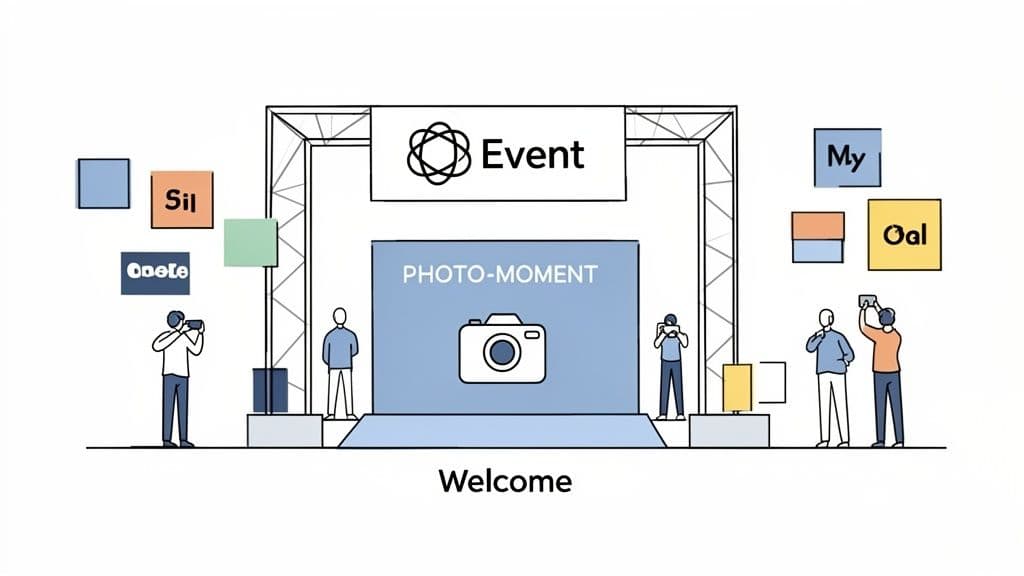
Consistent brand design is a key component of event management best practices because it builds an emotional connection with attendees. When every element feels intentional and aligned, it elevates the perceived value of the experience, making it feel more premium and professional. This visual harmony not only looks good but also drives organic social sharing, as attendees are more likely to photograph and post about a beautifully designed, "Instagram-worthy" space.
Real-World Application
Technology giant Apple is a master of this, creating minimalist, product-focused event spaces that mirror its brand aesthetic. Similarly, luxury brands like Chanel design exclusive networking events with high-end furnishings and meticulous decor that communicate sophistication. On a smaller scale, restaurant chains create pop-up experiences with vibrant, on-brand photo backdrops that are specifically designed to go viral on social media.
Actionable Implementation Tips
To put this into practice, follow these steps:
- Design Key "Photo Moments": Intentionally design 2-3 visually striking areas, like a branded photo wall, a unique installation, or a scenic backdrop. These spots act as natural magnets for social media sharing, turning your attendees into brand ambassadors.
- Brief All Vendors: Provide every vendor, from catering to AV, with a concise brand guideline sheet. This ensures that their setups, staff uniforms, and on-screen presentations align perfectly with your event's visual identity.
- Integrate Branding into Technology: Extend your branding to all digital elements. A key use case for QR codes is branding; a professional QR code maker will let you add your logo, use brand colors, and choose custom shapes, turning a functional tool into a branded touchpoint.
- Invest in High-Visibility Elements: Allocate a portion of your budget to custom-branded items in high-traffic areas. This includes the main stage backdrop, registration desk, and directional signage, as they make the strongest first and lasting impressions.
10. Accessibility, Inclusion, and Sustainable Event Practices
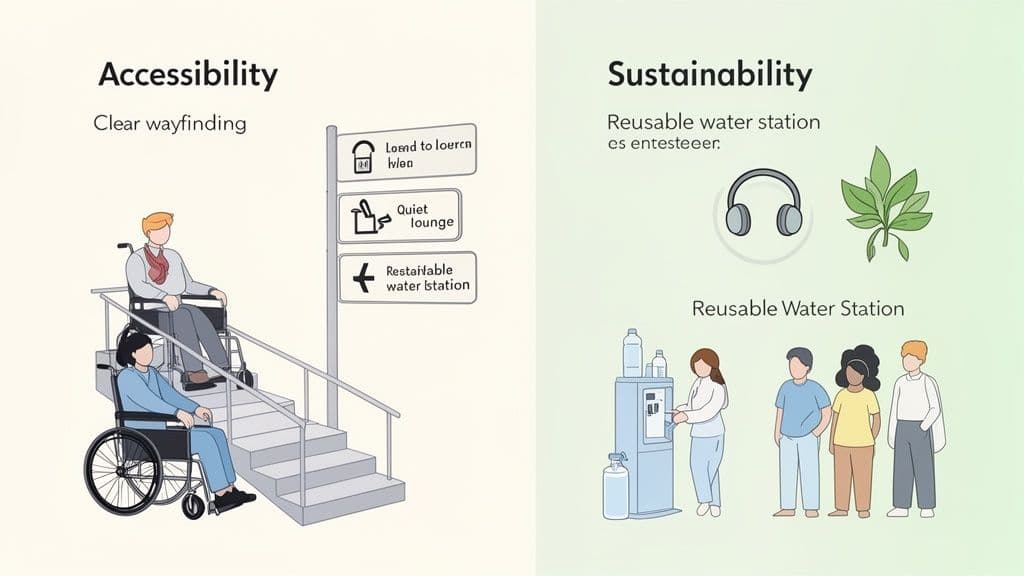
Modern events must be designed for everyone and with the planet in mind. This practice involves embedding principles of accessibility, diversity, equity, inclusion (DEI), and sustainability into every stage of the event lifecycle. It means proactively removing barriers for attendees of all abilities, fostering a welcoming environment for every background, and minimizing the event's environmental footprint.
Integrating these elements is a core component of modern event management best practices, as it significantly enhances the attendee experience and strengthens brand reputation. An inclusive and sustainable event not only expands your potential audience but also demonstrates corporate social responsibility, which resonates deeply with today’s conscious consumers, partners, and employees. This approach shifts event planning from mere logistics to impactful, purpose-driven experiences.
Real-World Application
Major music festivals like Glastonbury have set industry standards for sustainability by banning single-use plastics and promoting public transport. On the corporate side, major tech conferences now regularly provide live captioning and American Sign Language (ASL) interpreters as a standard offering. Nonprofits often lead in inclusion, designing community events with free admission and multiple accommodation options to ensure no one is excluded due to cost or disability.
Actionable Implementation Tips
To put this into practice, follow these steps:
- Conduct Venue Audits: Before booking, perform a thorough accessibility and environmental audit of potential venues. Check for ramps, accessible restrooms, energy efficiency ratings, and waste management programs.
- Ask About Needs Upfront: Include a section on your registration form where attendees can confidentially share accessibility requirements or dietary needs. This allows you to prepare accommodations in advance.
- Eliminate Printed Waste with Digital Solutions: Replace paper-based materials like agendas, maps, and handouts with digital alternatives. Use a QR code on signage that links attendees to a dynamic event schedule or a resource hub, reducing paper waste and printing costs. A simple scan can also be used for sharing WiFi access without printing passwords everywhere.
- Prioritize Sustainable Sourcing: Partner with local caterers who source seasonal ingredients and offer diverse plant-based menu options to lower your event's carbon footprint. Vet all vendors for their commitment to sustainability.
- Train Your Team: Ensure all on-site staff and volunteers receive training on inclusive language, disability etiquette, and how to respond gracefully and effectively to accommodation requests.
10-Point Event Management Best Practices Comparison
| Practice | Implementation complexity | Resource requirements | Expected outcomes | Ideal use cases | Key advantages |
|---|---|---|---|---|---|
| Comprehensive Pre-Event Planning and Timeline Management | Medium–High — long lead times and cross-team coordination | Project manager, PM tools, stakeholder time, documentation | Fewer last-minute issues, clear milestones, controlled budget | Large conferences, weddings, multi-team corporate events | Predictability, accountability, strategic resource allocation |
| Multi-Channel Communication and Stakeholder Management | Medium — multiple platforms and cadence control | Comms platform (email/SMS/apps), content creators, monitoring staff | Consistent messaging, fewer coordination errors, faster responses | Events with many stakeholders or dispersed attendees | Timely updates, segmentation, emergency communication capability |
| Seamless Attendee Registration and Check-In Systems | Medium — requires tech integration and testing | Registration platform, scanners/tablets, staff training, backups | Reduced queues, accurate attendee data, real-time attendance | Ticketed conferences, trade shows, high-volume entry points | Faster check-in, CRM integration, reliable attendance tracking |
| Comprehensive Event Analytics and ROI Measurement | Medium–High — tracking and attribution across channels | Analytics tools, tracking codes, data analysts, CRM integration | Clear ROI, data-driven decisions, improved future budgeting | Marketing-led events, sponsor reporting, recurring events | KPI clarity, attribution insight, informed investment choices |
| Vendor Management and Coordination Excellence | Medium — contract and performance governance | Contract templates, vendor scorecards, regular check-ins | Reliable vendor delivery, fewer on-site failures, cost control | Events relying on external catering, AV, logistics | Vendor accountability, contingency readiness, stronger partnerships |
| Strategic Sponsorship and Partnership Development | High — sales, fulfillment, and bespoke activations | Sponsorship sales team, proposals, fulfillment tracking, reporting | Additional revenue, enhanced event resources, sponsor satisfaction | Festivals, industry conferences, large-scale productions | Funding, brand alignments, sponsor activation and reporting |
| On-Site Operations and Contingency Management | High — real-time coordination and escalation | Operations staff, run-of-show, comms gear, contingency plans | Smooth execution, rapid problem resolution, safety compliance | Live shows, complex multi-track conferences, concerts | Clear roles, decision framework, minimized disruptions |
| Post-Event Follow-Up and Relationship Nurturing | Medium — automation and personalized workflows | CRM, marketing automation, segmented content, analytics | Higher conversion, sustained engagement, actionable feedback | B2B conferences, fundraising, networking events | Increased ROI, lead nurturing, measurable follow-up impact |
| Branded Experience Design and Visual Consistency | Medium–High — design and production coordination | Designers, production budget, branded assets, vendor oversight | Strong brand perception, shareable moments, higher perceived value | Product launches, consumer events, premium experiences | Brand recall, social amplification, cohesive attendee experience |
| Accessibility, Inclusion, and Sustainable Event Practices | High — multiple accommodations and verification | Accessibility audits, specialized vendors, sustainable sourcing, budget | Broader audience reach, improved reputation, reduced waste | Public festivals, community events, CSR-focused corporate events | Inclusivity, legal compliance, environmental and social credibility |
Putting Your Event Plan into Action
Executing a successful event is far more than simply checking items off a list. It's about orchestrating a series of interconnected, strategic decisions that culminate in a memorable and impactful experience. Throughout this guide, we've explored the foundational pillars of modern event execution, from meticulous pre-event planning and multi-channel communication to the critical importance of vendor coordination and post-event analytics. Each practice, whether it’s designing a seamless attendee registration process or ensuring accessibility for all, represents a crucial opportunity to elevate your event from merely functional to truly exceptional.
The core theme connecting these strategies is a shift from a reactive, logistical mindset to a proactive, experience-driven approach. Mastering these event management best practices means you are no longer just solving problems as they arise. Instead, you are building a resilient, adaptable framework that anticipates needs, delights attendees, and delivers measurable value to stakeholders, sponsors, and your own organization. This framework is your blueprint for consistency and excellence.
Key Takeaways for Immediate Implementation
To transition from knowledge to action, focus on integrating these principles incrementally. Don't try to overhaul your entire process at once. Instead, identify the areas with the most significant potential for improvement in your next event.
- Technology as an Enabler, Not a Gimmick: The most effective use of technology, such as QR codes for check-in or session feedback, is to remove friction and enhance the human experience. Focus on tools that simplify processes for both your team and your attendees.
- Data-Driven Decisions are Non-Negotiable: Move beyond simple attendance numbers. Leverage comprehensive analytics to understand attendee behavior, measure engagement, and prove ROI. This data is your most valuable asset for refining future event strategies.
- The Experience is Everything: From the first promotional email to the final thank you note, every touchpoint contributes to the overall brand experience. Consistency in branding, clear communication, and a focus on attendee comfort and inclusion are what create lasting positive impressions.
Your Actionable Next Steps
The journey to mastering event management is continuous. Start by selecting one or two practices from this list to pilot at your upcoming event. For example, you could formalize your vendor communication protocol or introduce a structured post-event follow-up sequence to nurture new relationships. Another powerful and easy-to-implement step is to digitize and streamline key attendee interactions.
Consider how QR codes can immediately upgrade your on-site operations. A dynamic QR code can link to a digital agenda that you can update in real-time, eliminating the need for costly and wasteful paper printouts. Another code placed on business cards can link directly to a LinkedIn profile or digital portfolio, modernizing networking long after the event concludes. These small, strategic upgrades demonstrate a commitment to innovation and attendee convenience, setting your events apart.
Ultimately, adopting these event management best practices is an investment in your brand's reputation and your organization's growth. By consistently delivering professional, engaging, and flawlessly executed events, you build trust, foster community, and achieve tangible business outcomes. The principles outlined here provide the roadmap; your commitment to implementing them will determine your success.
Ready to enhance your event with professional, trackable digital tools? QR Code Maker provides an intuitive platform to create and manage dynamic QR codes for everything from contactless check-ins and digital agendas to instant feedback forms. Start creating seamless attendee experiences today at QR Code Maker.
Frequently Asked Questions
What are the key components of successful event planning?
Key components include comprehensive pre-event planning, effective timeline management, and seamless communication with stakeholders.
How can I improve attendee registration and check-in processes?
Improving these processes involves using digital registration platforms, offering multiple check-in methods, and utilizing QR code technology for quick access.
What role do QR codes play in event management?
QR codes facilitate quick registration, check-in, and access to information, enhancing the overall attendee experience.
How can I measure the success of my event?
Success can be measured through defined KPIs, comprehensive tracking of attendee engagement, and analyzing post-event data to link activities to business outcomes.
What should I include in my event communication plan?
Your communication plan should include a calendar of touchpoints, segmented messaging for different audiences, and a final logistics email before the event.
Ready to create your QR code?
Free forever for static codes. Pro features with 14-day trial, no credit card required.

Irina Aguiar
·Content LeadIrina Aguiar leads content strategy at QR Code Maker, where she has written extensively on QR code technology, marketing, and business operations. Her work ranges from technical explainers on how QR codes are generated and how error correction works to practical guides on QR marketing, automation, and scan analytics — plus hands-on tutorials covering Python, Google Sheets, and Zapier integrations. She also publishes honest competitor comparisons and industry-specific playbooks for retail, real estate, hospitality, healthcare, and events.
More from Irina Aguiar →Related Articles
Survey QR Code: Your Guide to Gathering Feedback Instantly
Learn how to create a dynamic survey QR code to collect valuable customer feedback instantly. Our guide covers everything from creation to analysis.
The 12 Best QR Code Monkey Alternative Tools in 2026
Searching for a QR Code Monkey alternative? Discover the 12 best QR code generators for creating dynamic, branded, and trackable codes for your business.
A Guide to Using a QR Code for Inventory Management
Learn how to use a QR code for inventory to boost accuracy, streamline operations, and reduce errors. Your practical guide for small businesses.